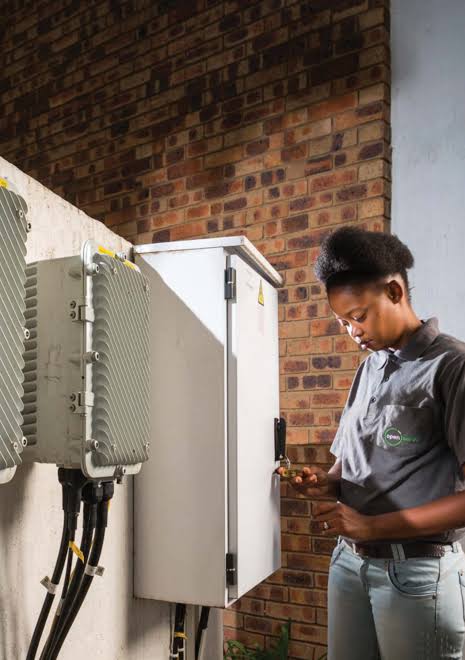
The Engineering sector has many sub-sectors, each of them vitally important to the functioning of various systems and industries (such as factories, motor vehicles, pharmaceuticals etc). Below we have compiled a brief description of each of the Engineering sub-sectors, the type of skills required and job descriptions, as well as the salaries relating to each of these sectors, so that you have a better idea of which branch of engineering you will be best suited to.
In order to enter into the Engineering field of study at any major tertiary institute in the country, you will need to possess the following skills or meet the following criteria (as a minimum):
Have a strong academic record
Have passed Mathematics (not Mathematical Literacy) in Matric
Have passed Science in Matric
We bring you bursaries from big well-known organisations, such as Afrox, de Beer, Eskom, Engen, Sappi, Group Five, Sasol, SARS, FNB, Standard Bank and various departments of government.
Below is the LARGEST list of Engineering bursaries, scholarship and funding opportunities in South Africa for 2023 & 2024 studies – scroll down to find your field of study:
Aeronautical and Aerospace Engineering
Bioresource Engineering
Chemical Engineering
Civil Engineering
Construction Engineering
Electrical Engineering
Electronics Engineering
Environmental Engineering
General Engineering
Industrial Engineering
Instrumentation Engineering
Mechanical Engineering
Mechantronics Engineering
Metallurgy and Metallurgical Engineering
Mine Surveying or Mineral Surveying
Mining Engineering
Rock Engineering and Rock Blasting
Sound Engineering
Structural Engineering
Systems Engineering
AERONAUTICAL & AEROSPACE ENGINEERING BURSARIES FOR 2023 & 2024
Aerospace Engineers develop and test aircraft and spacecrafts. They are also responsible for the design, maintenance and management of R&D for various types of spacecrafts, aircrafts, missiles and satellites. This sector of engineering is divided into 2 branches which overlap: astronautical engineering and aeronautical engineering. These professionals often work for defense contractors or for the government.
In order to pursue a career in this field, Aeronautical Engineers are generally required to have an Engineering degree (this can include electronic/ electrical/ mechanical/ industrial/ computer/ civil engineering qualifications).
Over and above the tertiary qualification, Aeronautical and Aerospace Engineers will need many years of working experience with aerodynamics, aeroacoustics and computational fluid dynamics. A high level of communication skills (both oral and written) is also required, as is team work and keeping up to date with new technology.