What is a CV?
When applying for a job, 99% of the time a recruiter will ask you to submit your Curriculum Vitae (also known as a “CV”). A CV is a written description about your achievements, qualifications, work experience, and where you went to school. It allows your potential employer to have an idea of what work you are capable of, based on your experience.
It is vital that your CV is not only up to date, but also accurate and professional, as it will ultimately land you an interview, and hopefully the job.
Build Your Resume
Why do you need a CV?
CV’s are vital as they open the doors to employment opportunities. A CV acts as a tool to convince your potential employer that you are employable and the best choice in comparison to other candidates. A good CV can also help you in the selection and decision making process, ensuring you are a front-runner in many placement agencies.
Therefore, it is vital that your CV be completed correctly and to the best of your ability as it is the one chance to sell your skills, work experience, and qualifications.
What should you include in your CV?
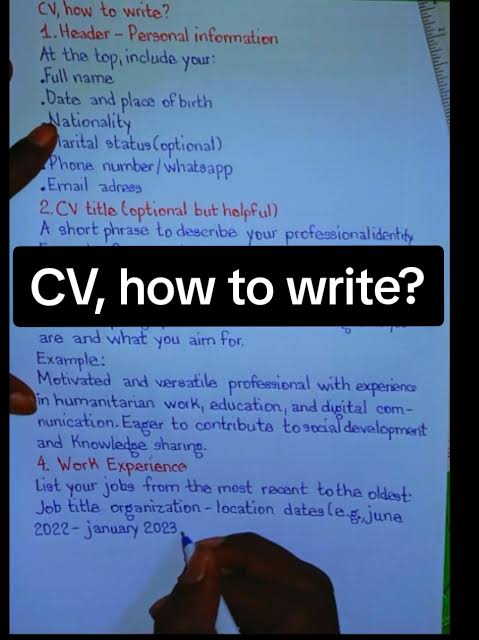
No employer or recruitment agency is fond of ten page CVs. Your CV should always be concise, to the point, and cover these following aspects:
Personal information: This should include your full name, date of birth, country of birth, gender, marital status, health status, if you have a driver’s license, your current residential town/ suburb, and your contact details.
A professional headshot photo (such as an ID photo – this is optional).
Educational background: This should include various qualifications, and skills, your highest obtained school qualifications with the subjects and symbols, tertiary education qualifications with subjects and symbols, and any additional skills you obtained through further studies.
Career history: Ensure that your most recent job is at the top of your list, along with your position in the company and your responsibilities. Be sure to include the start and end dates that you worked at the organization, and a brief reason as to why you left. Be sure to also include any additional skills you obtained through the job, as well as your responsibilities.
Volunteer work: Be sure to also include any volunteer work you engaged in, details about its nature, and the duration dates. This creates a great impression on your future employer as it shows that you are responsible and a hard worker.
Your hobbies and personal interests: This gives your potential employer a keen insight into skills and interests you have outside of the work environment. Write down some of your interests, such as reading, memberships to clubs, sports, etc.
Career goals: This is a short statement depicting your career aspirations for the next five years to decade. Ensure that you remain realistic with your goals, but also don’t sell yourself short. Having a career goal shows your potential employer that you are motivated and are willing to work hard to achieve your aspirations.
Positions and responsibilities you held: This shows your potential employer that you have leadership skills.
Prizes you won and various awards: This gives the potential employer insight into avenues in which you excel.
References: You should have at least three people that can vouch for your character as a worker. Be sure to include the name of these people, and their telephone numbers. It is vital that these people are not family members, but rather past employers, managers, group leaders, etc. It is vital that your references are credible and reliable sources that will provide truthful information regarding your ethics. Be sure to check in with your references before submitting your CV, to ensure that their contact details are still valid and that they are still available for a reference


